.png)
Nusa Dua Resort Strategic Development

An integrated development strategy for Bali that transforms research and analysis into design and investment opportunities.The project combined financial modelling, market intelligence, and architectural vision to identify the most profitable hospitality formats and create a scalable entry model for developers and investors.
Project Overview
The Nusa Dua Resort Strategic Development was conceived as a full-cycle initiative — from market research to concept design, investment and full go-to-market strategy development & implementation.
It included:
- Market and competitor analysis
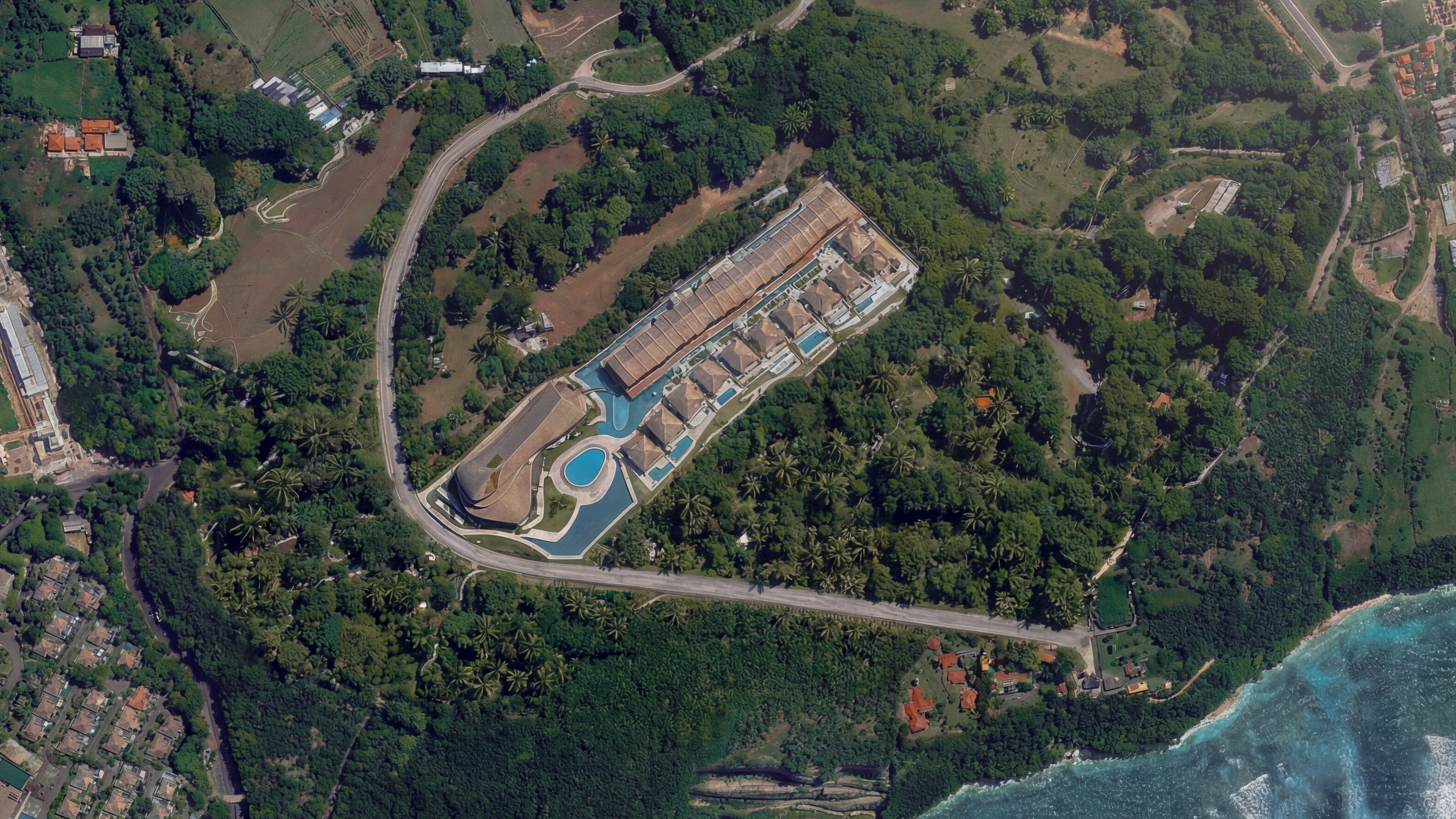
- Land selection and feasibility studies
- Financial and legal due diligence
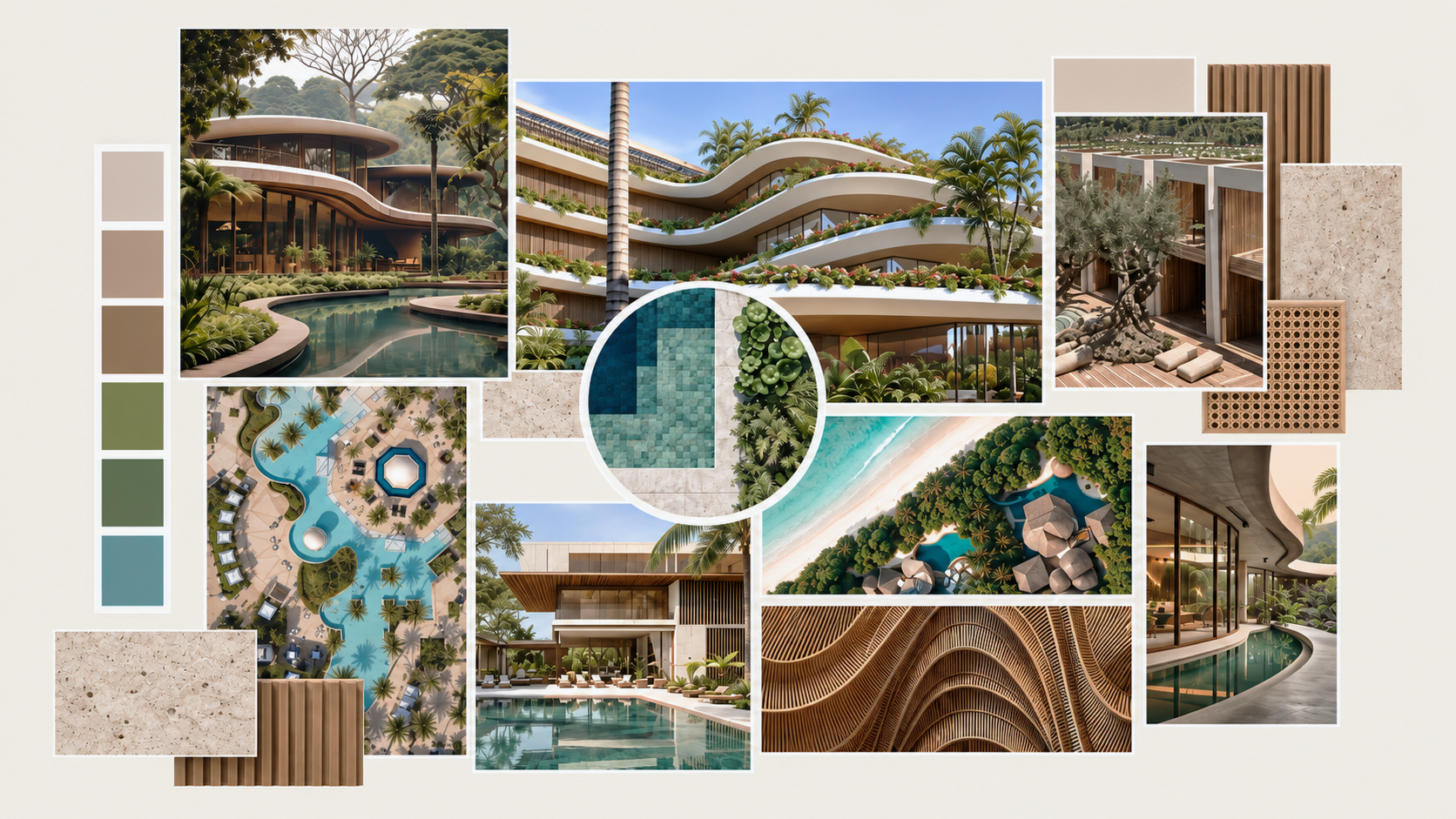
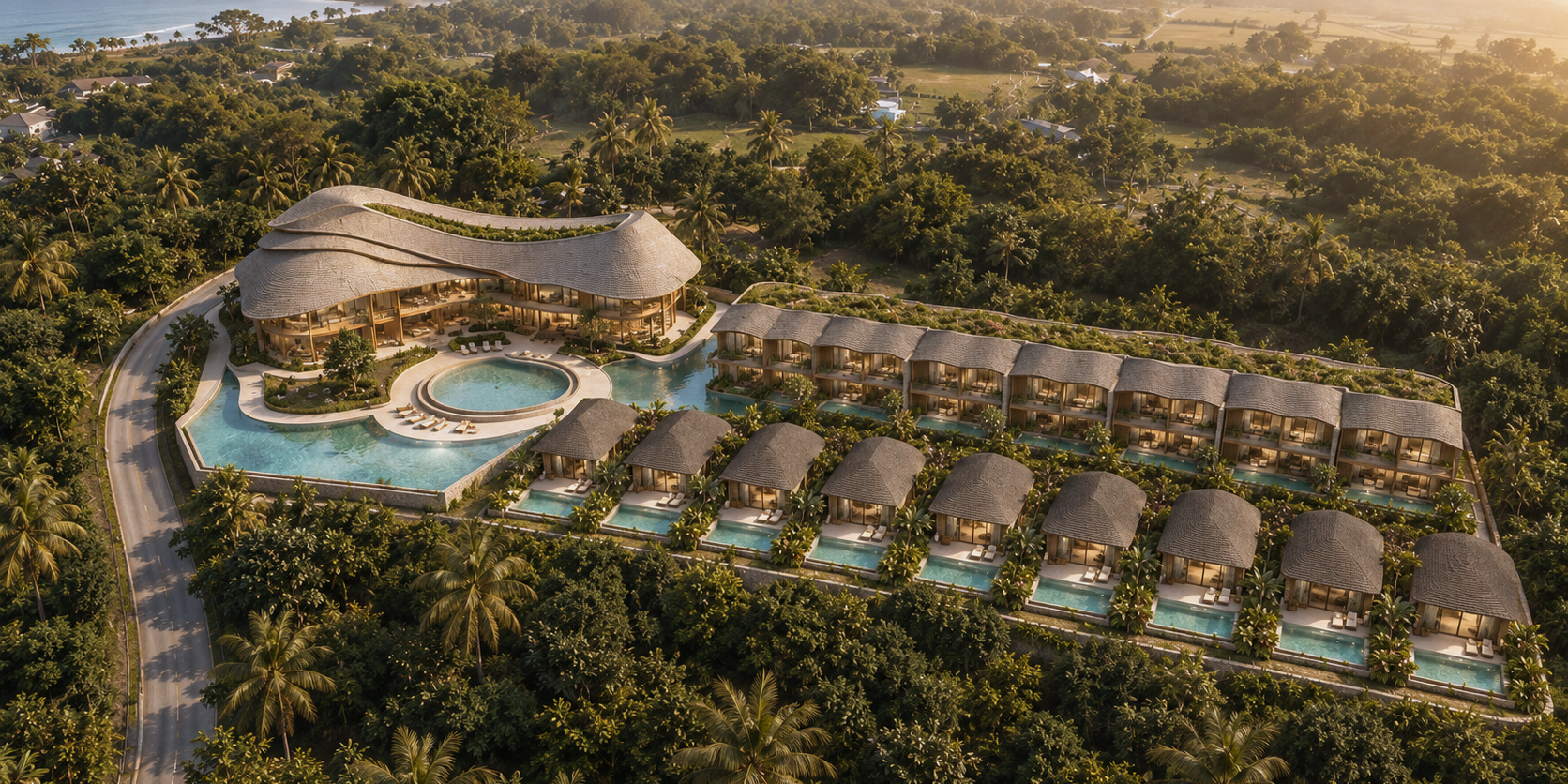
- Concept architecture and visualisation
- Investor testing and operator negotiations
- Market entry and management strategy
Through macroeconomic research and tourism analytics, the project defined the optimal approach for a new player entering Bali’s dynamic real estate market.
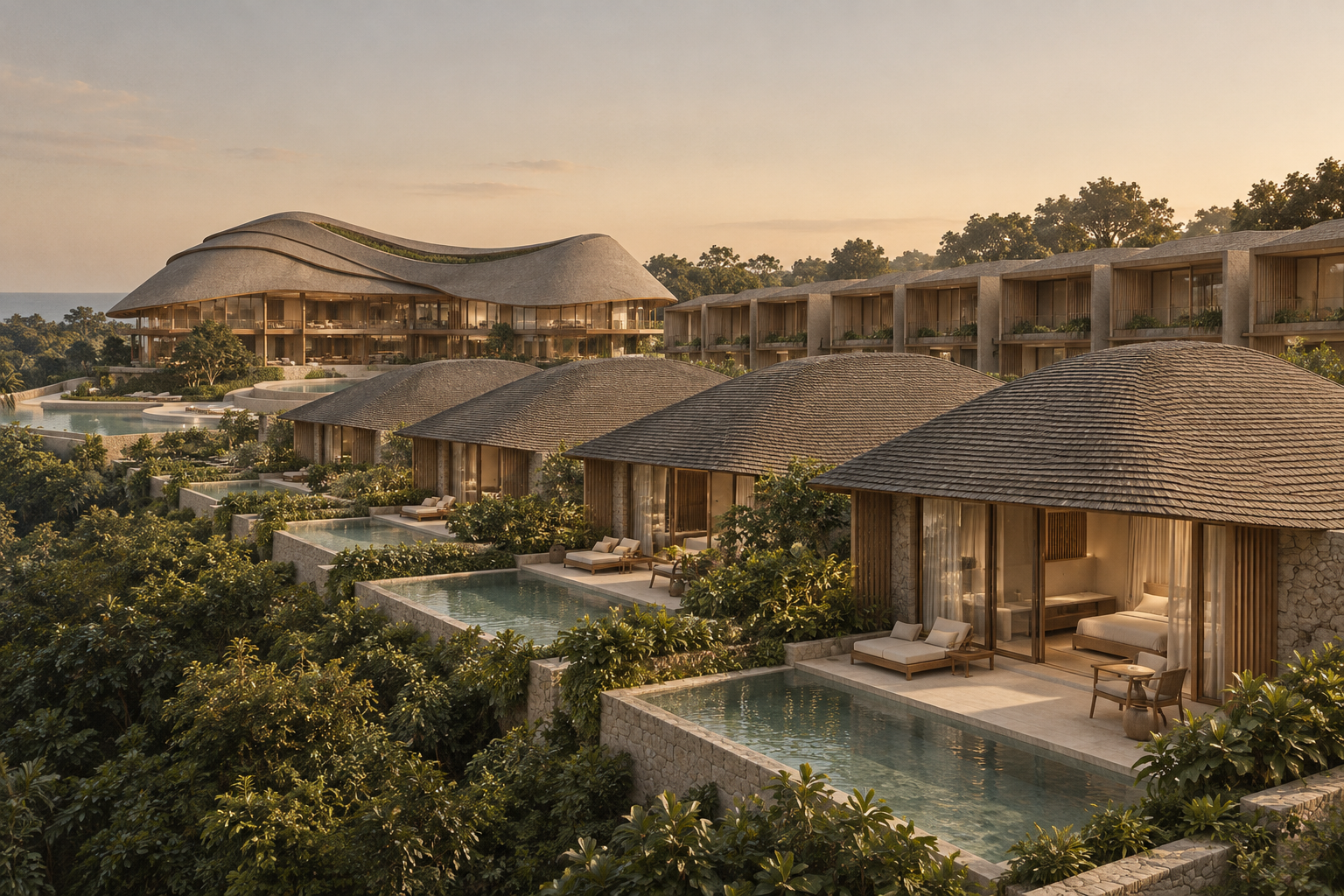
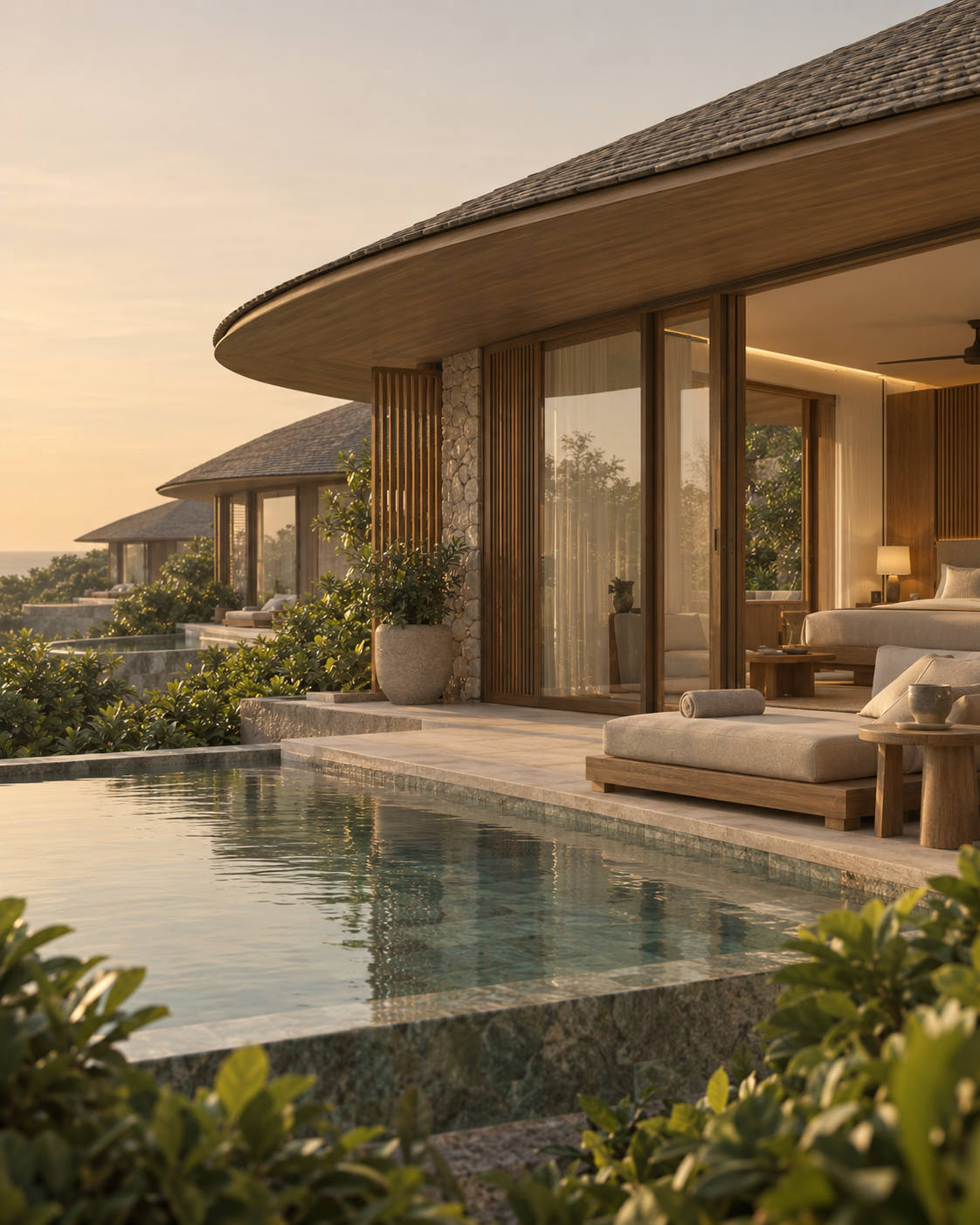
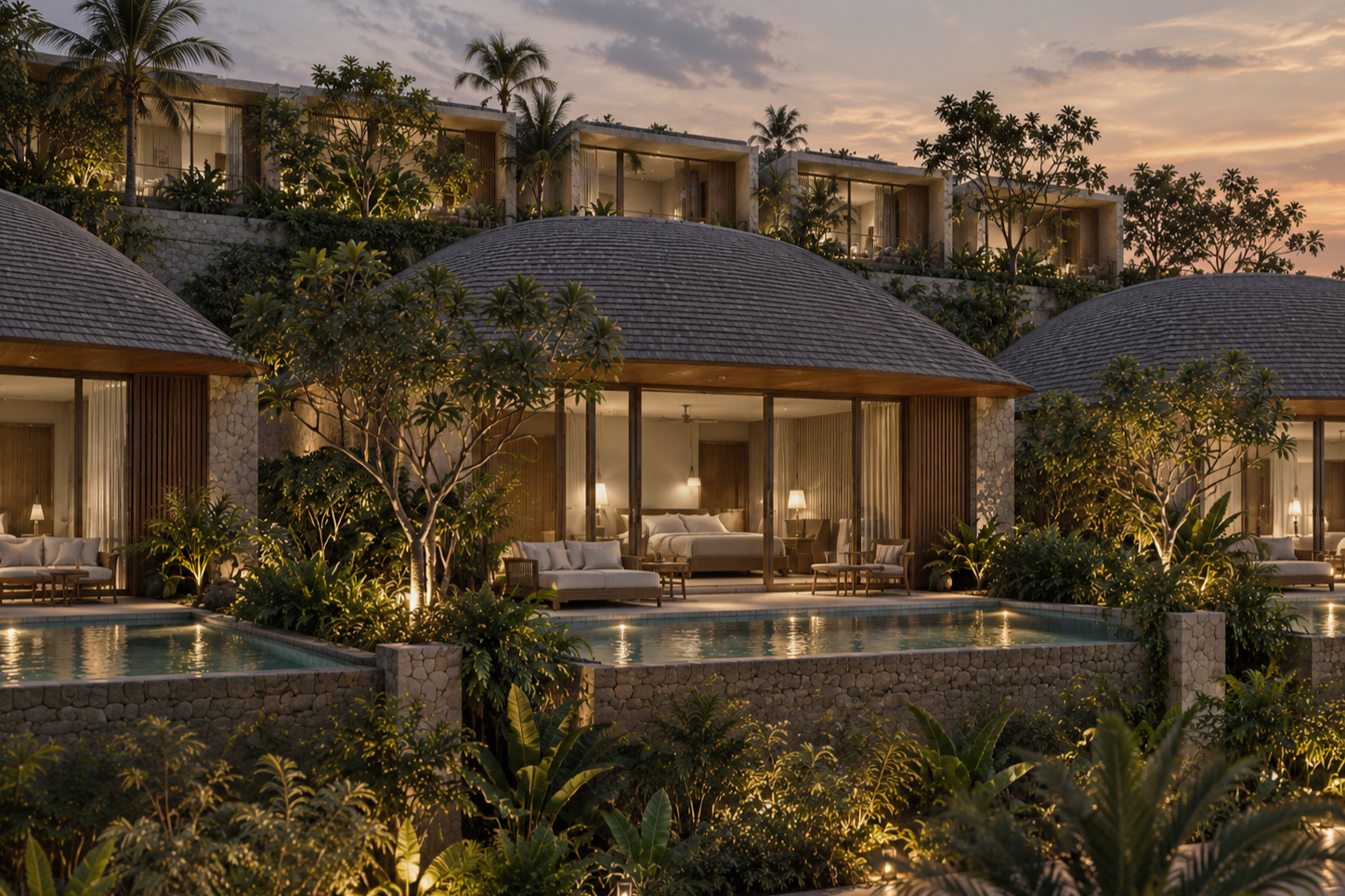
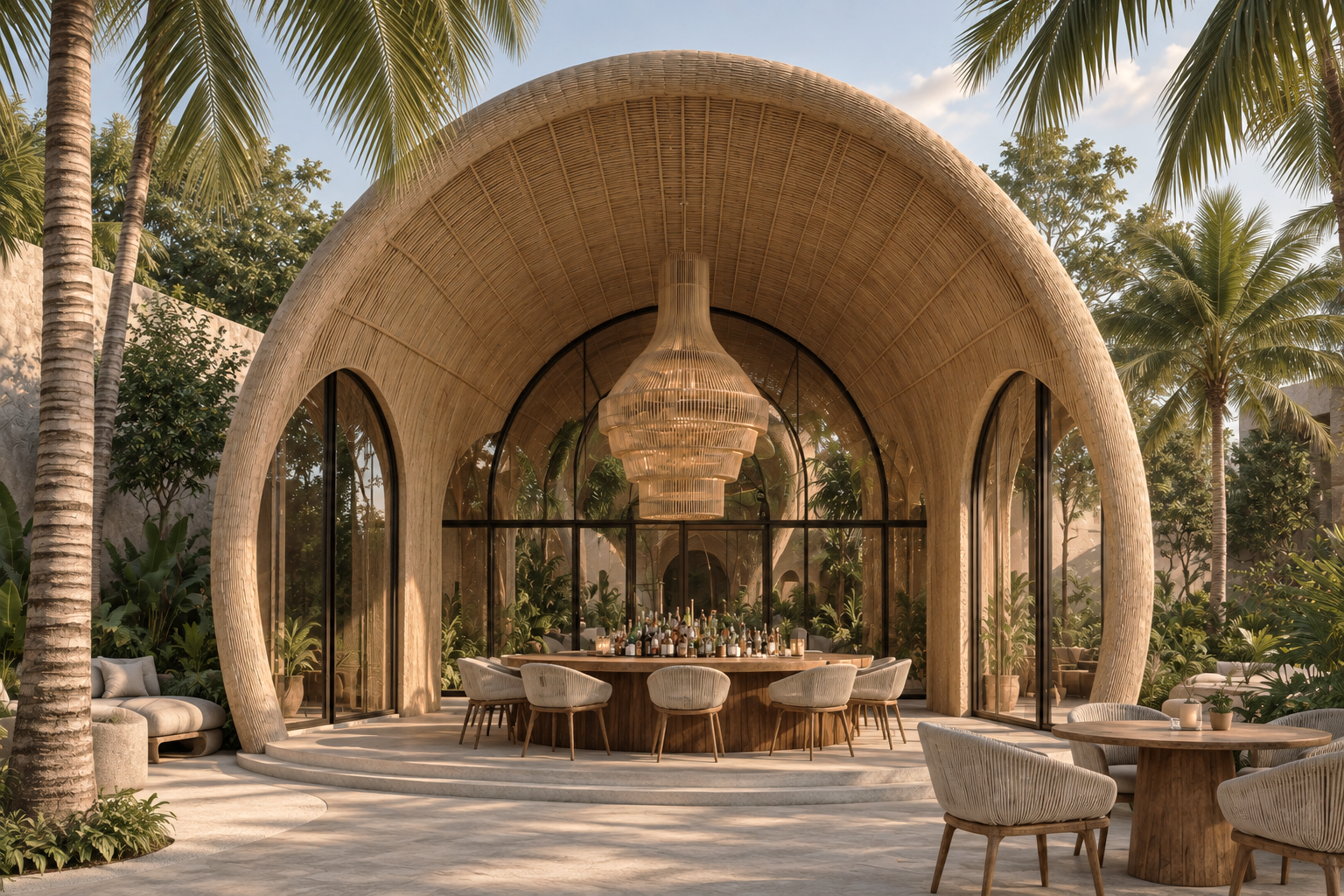
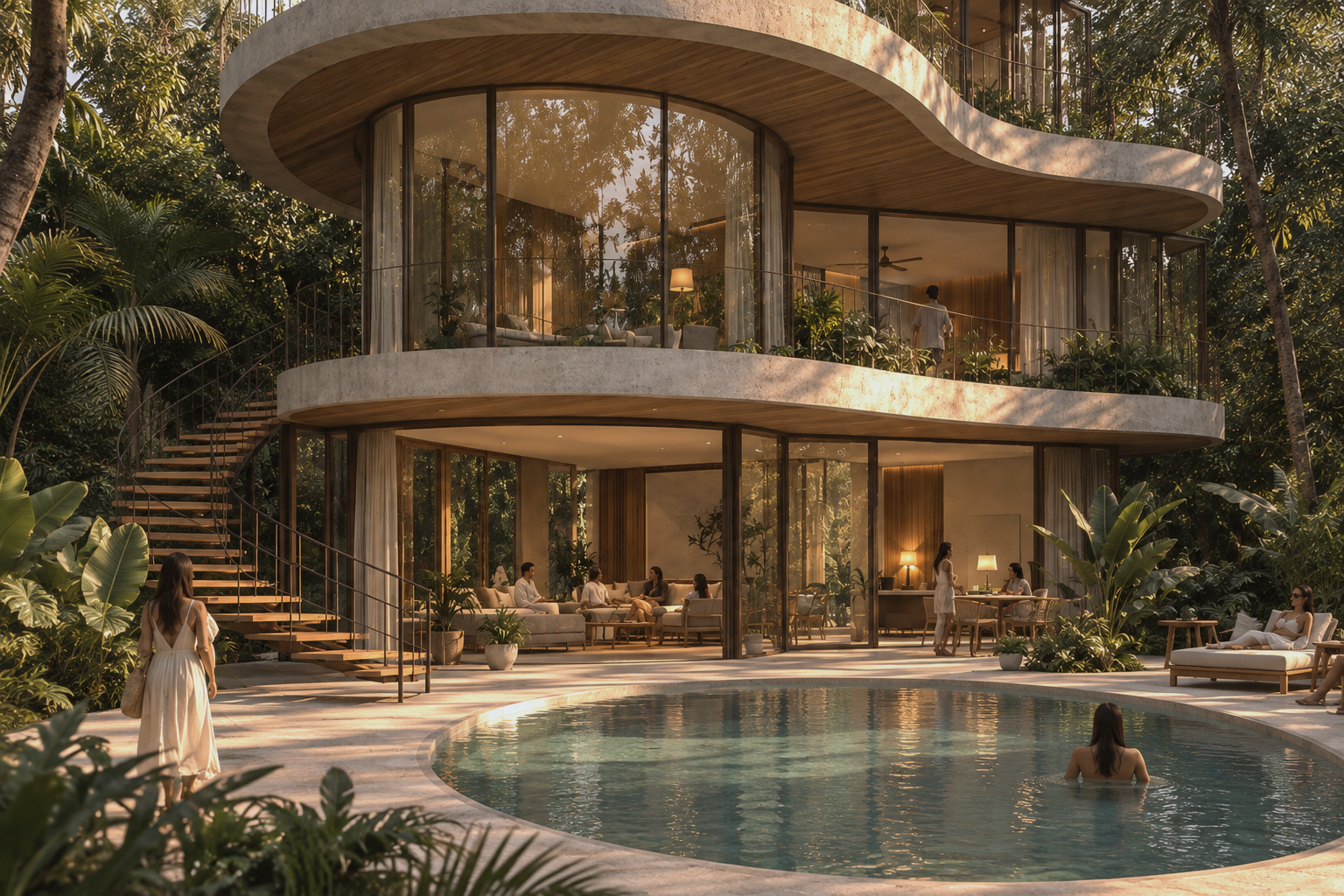
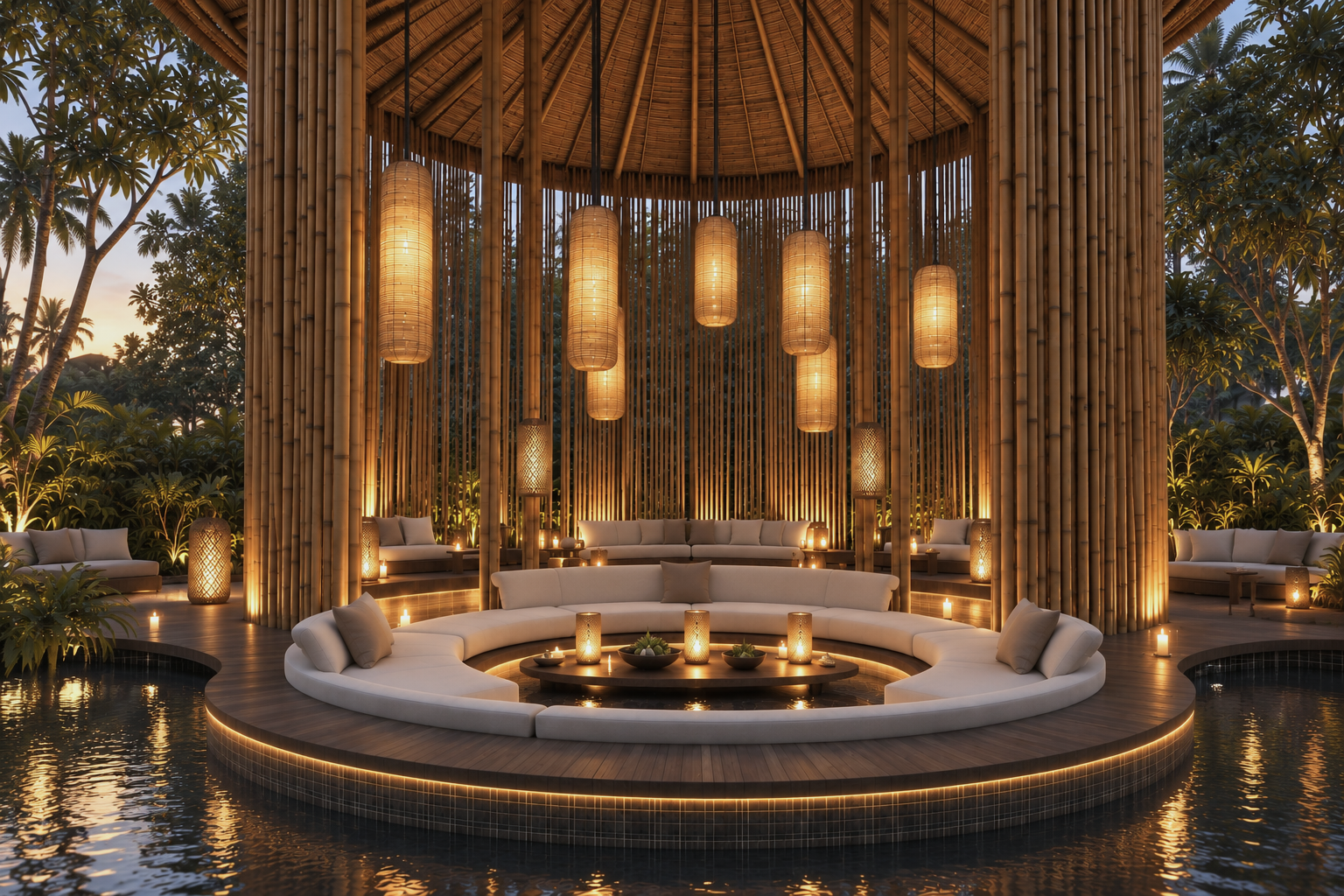
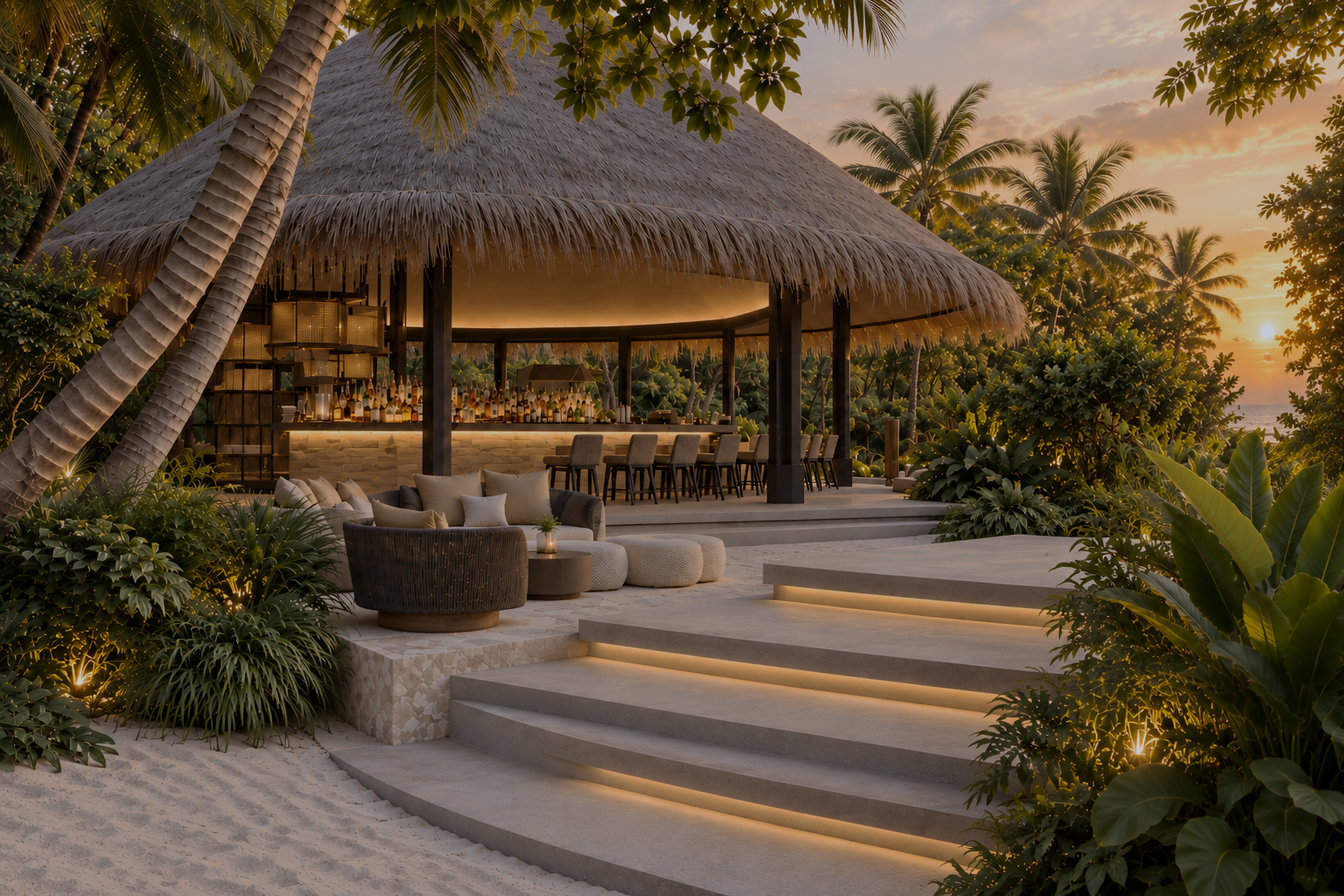
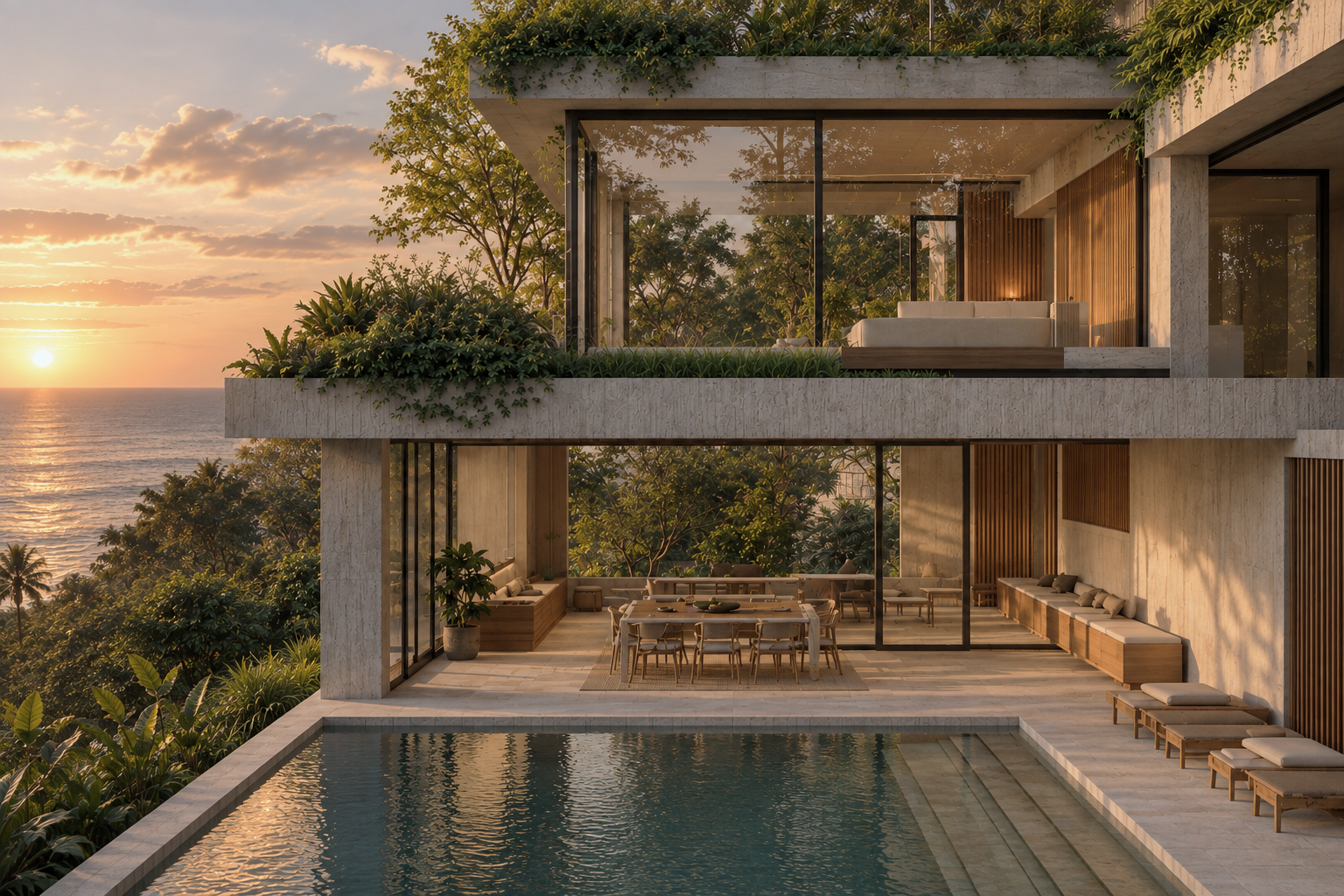
Strategic Significance
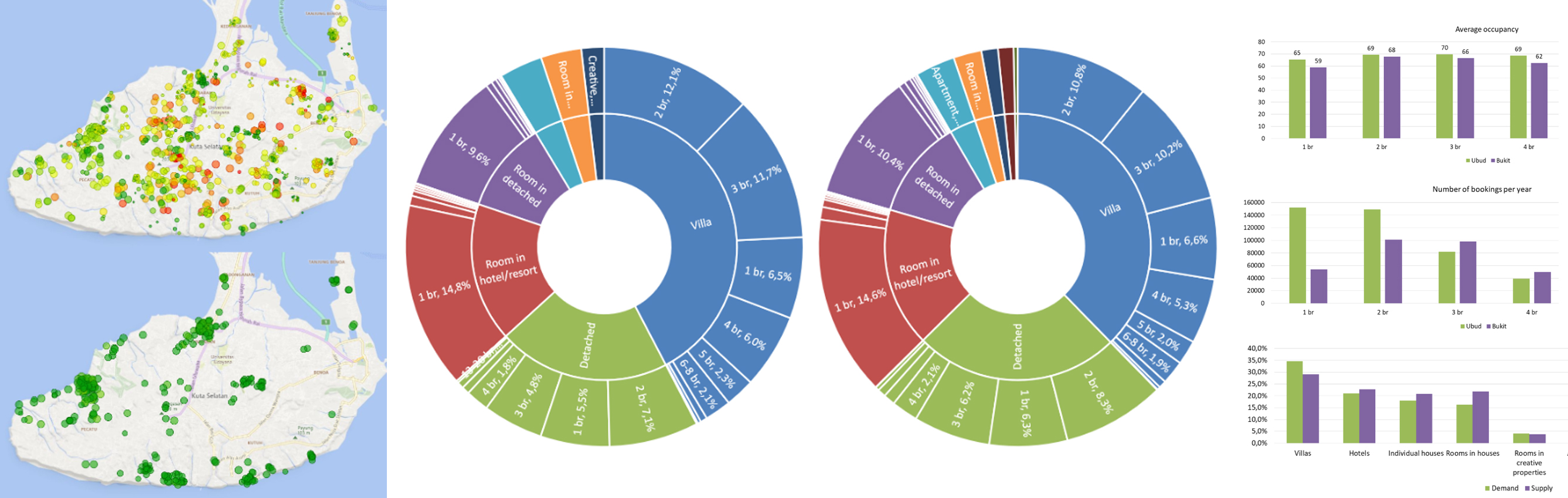
Bali’s tourism economy is expanding rapidly but remains underdeveloped in structured, data-based investment. This project established a new benchmark - blending analytics, financial precision, and design thinking to identify profitable opportunities and guide sustainable development.
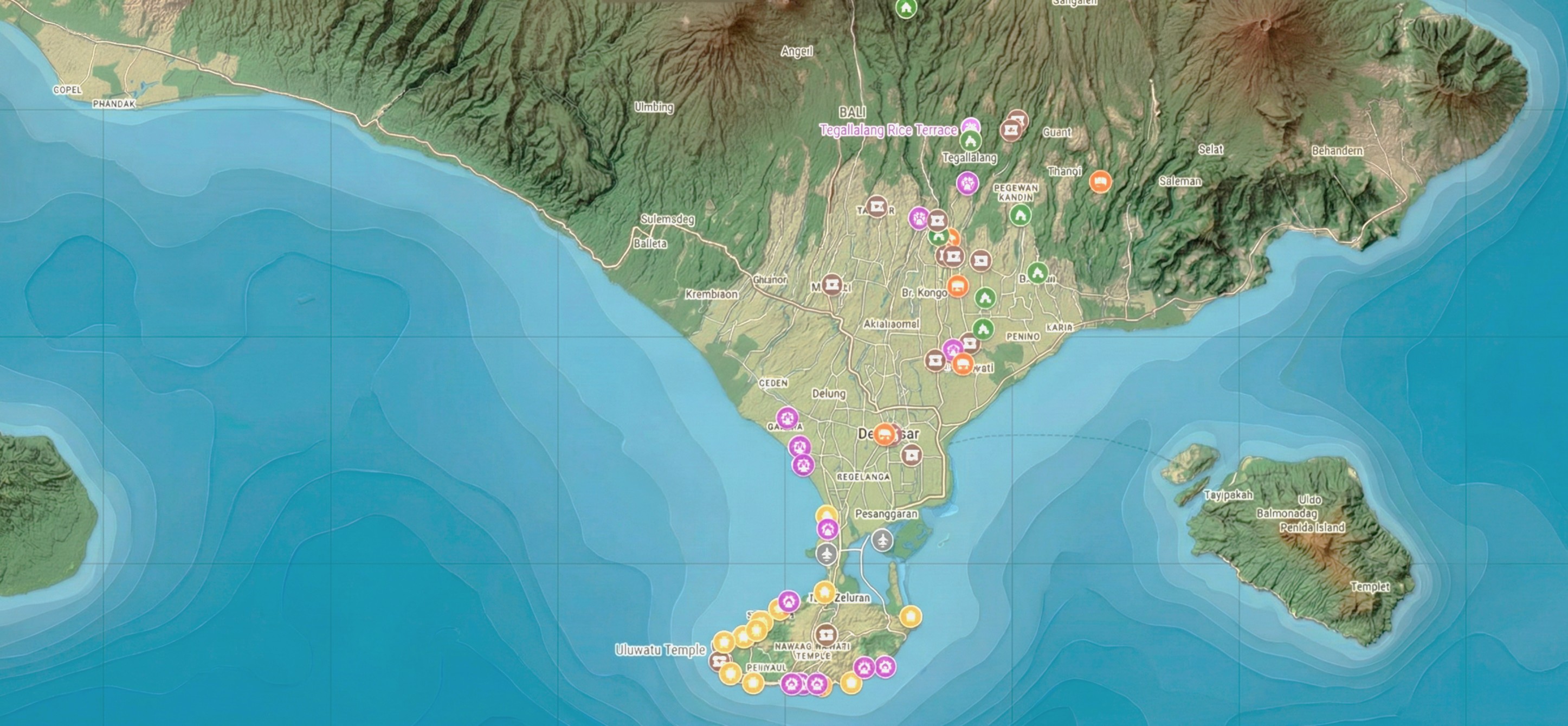
By mapping market performance and uncovering hidden demand, the strategy unlocked high-yield potential across the island’s most attractive destinations.
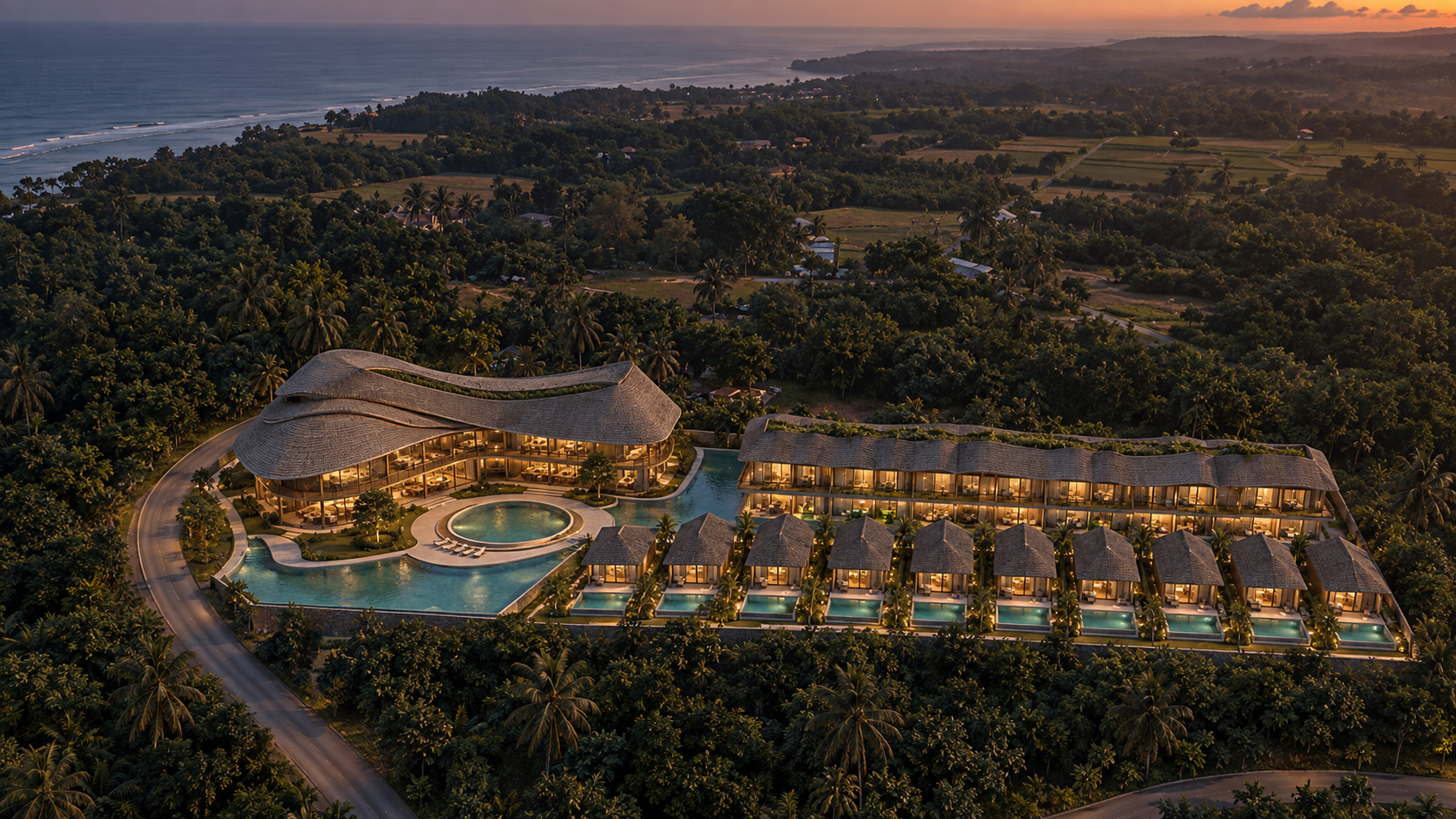
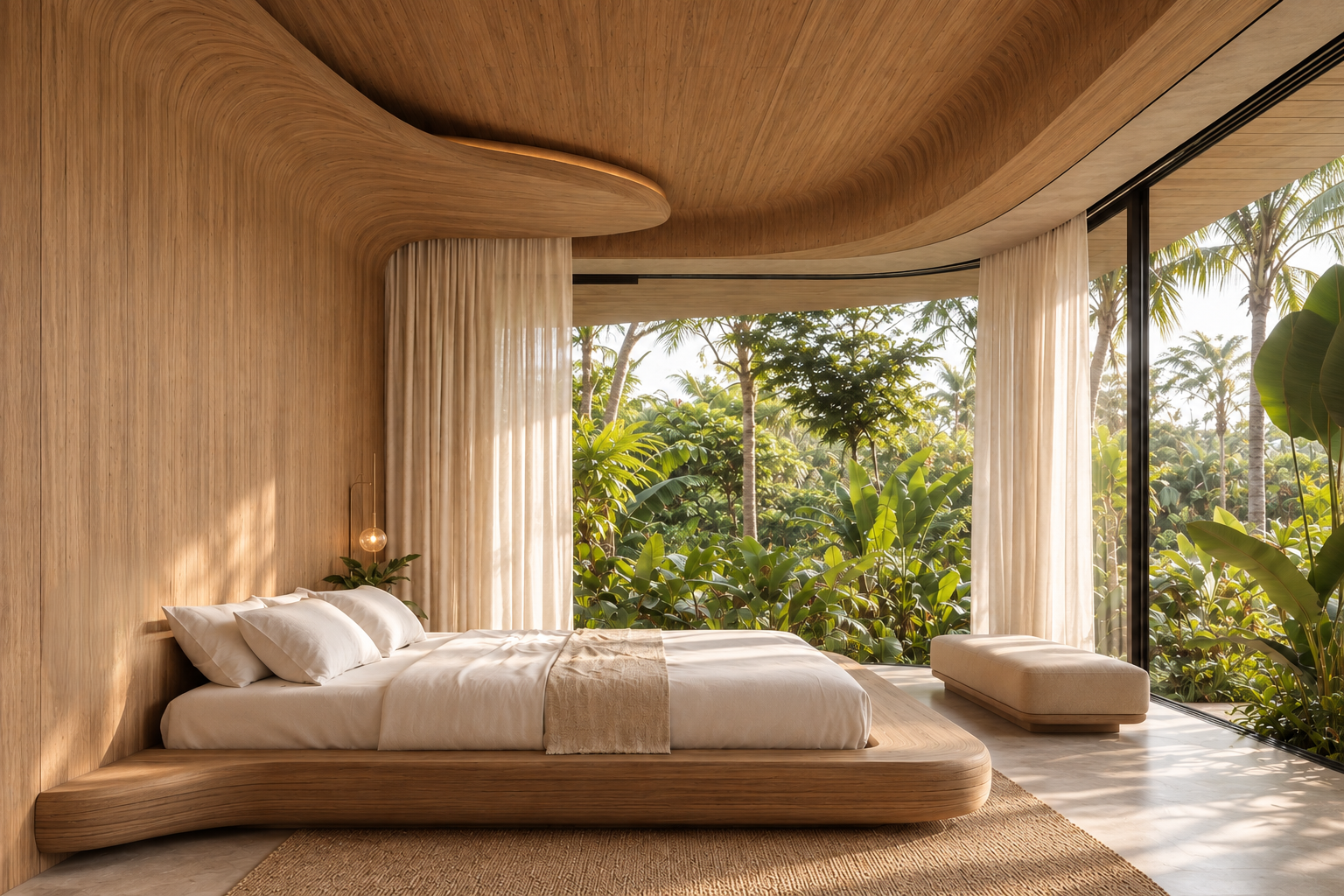
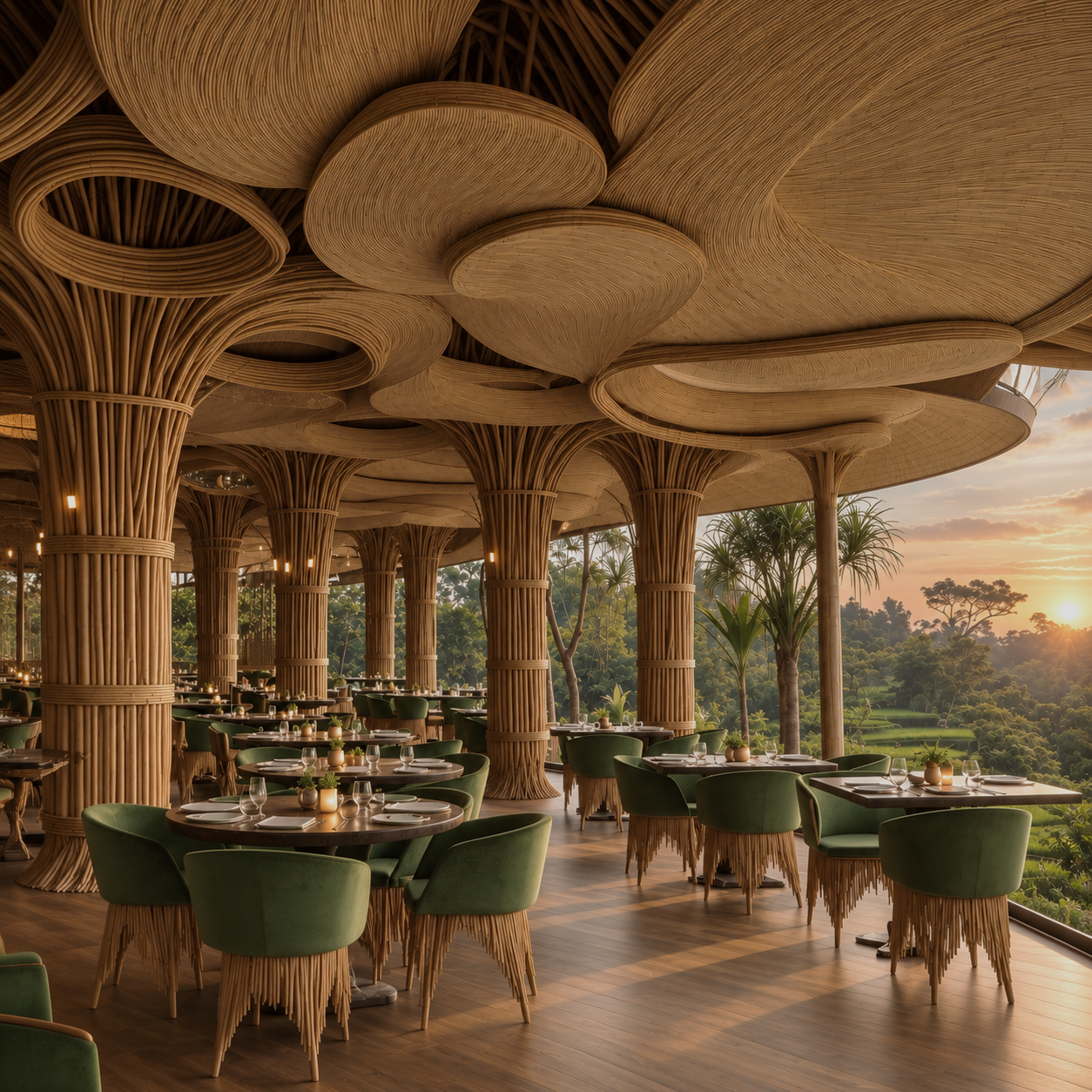
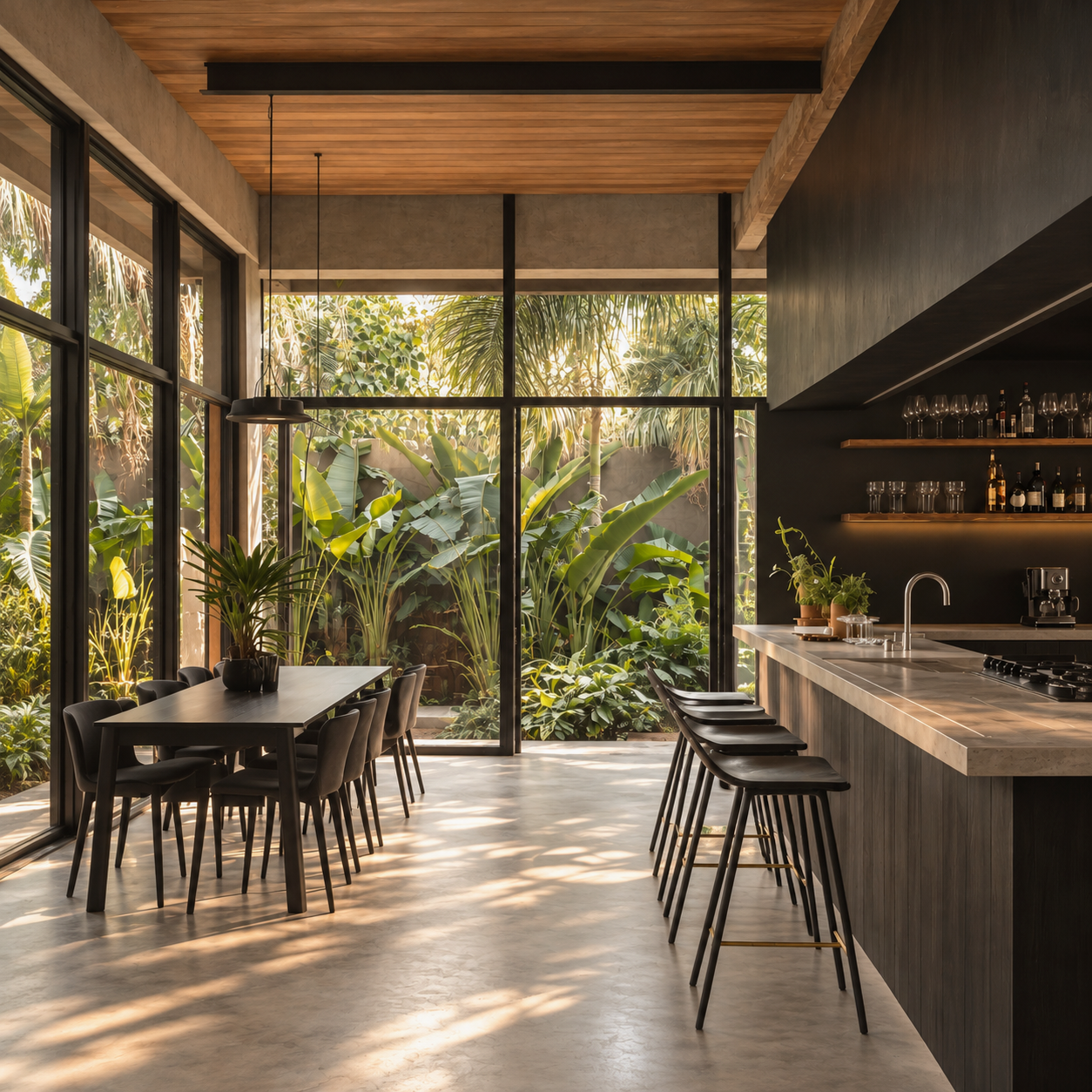
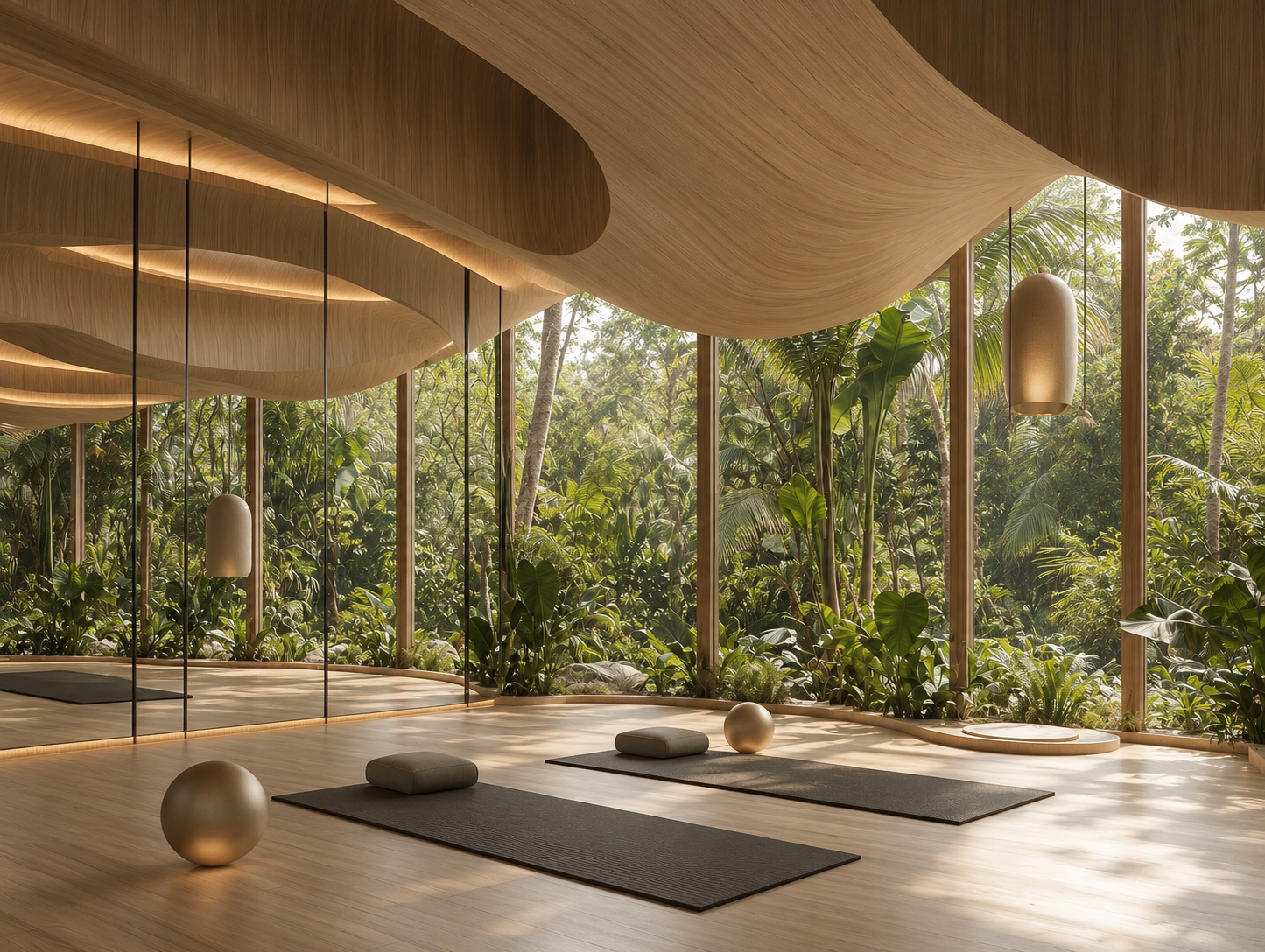
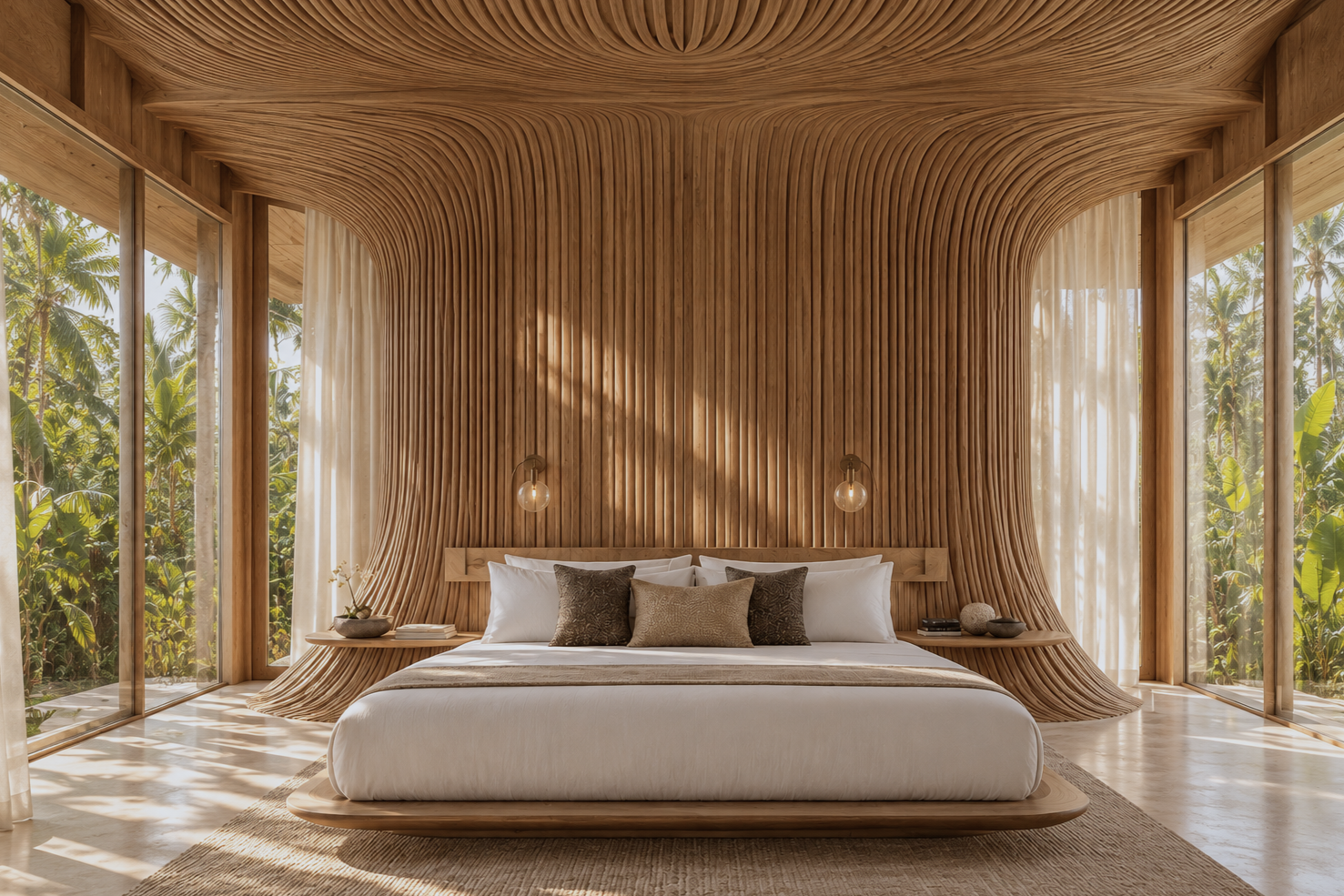
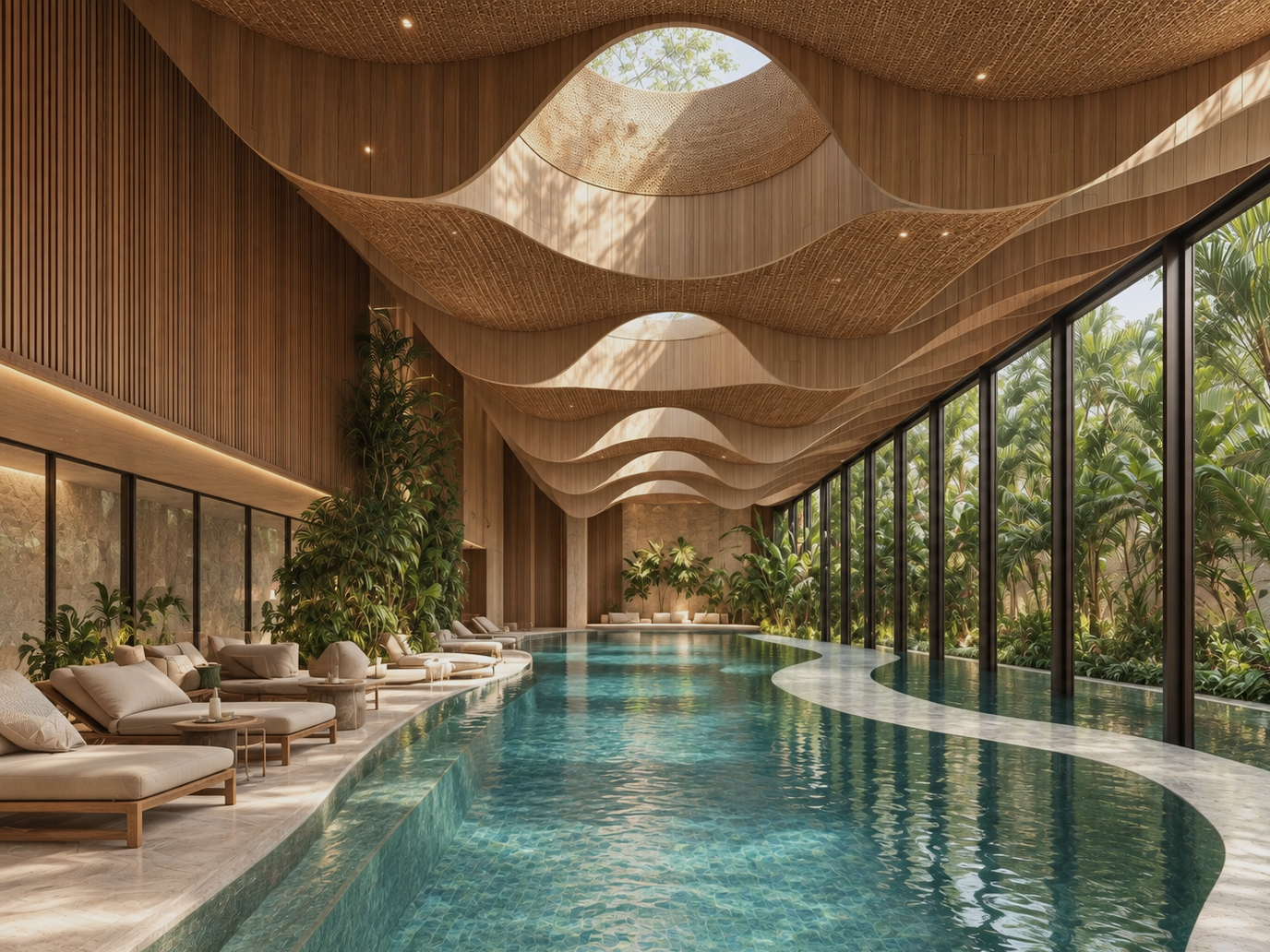
Scale & Programme
- 6 property typologies:
- Luxury Villas Compound
- Boutique Jungle & Cliff Resorts
- Organic Lumbung Villas
- Designer Villas Refurbishment and Extension
- 4-Star Hotel
- Branded Villas compound under an international hotel brand operation
- 270-300 total units to be built over five years
- $6M+ annual net revenue
- $1.5–2M initial investment
- Balanced model: 50% sale / 50% managed assets
- Global operator partnerships: Marriott, Accor/Sheraton, Radisson, Wyndham
.jpg)
Key Challenges & Solutions Implemented
- The main task was to determine the most profitable business model to enter the market with a limited budget.
- Entering a complex, competitive market - an imperfect legal system.
- Identifying profitable sites and formats - market underdevelopment, lack of reliable and quality contractors.
- Balancing sales and management models.
- Coordinating design, finance, and operations.
- Building investor trust and partnerships.
- Harsh, humid climate – seismically active region, and limited availability of local materials, requiring all resources to be imported.
.jpg)
.jpg)

Economic & Social Impact
The project demonstrated how data analytics and strategic design can drive measurable growth in emerging markets. By integrating research, finance, and architecture, it created a replicable investment model generating $6M+ annual net revenue and 25–30% ROI.
Beyond profitability, the initiative contributed to local employment, sustainable land use, and international investment flow - setting a new benchmark for responsible hospitality development in Bali.
Result
The project produced a fully defined investment and design strategy ready for implementation. It identified the most profitable typologies, optimal sites, and market segments, while forming a foundation for investor partnerships and brand management. The outcome - a replicable, high-yield framework for resort and residential development in emerging tourism markets.
The Nusa Dua Resort Strategic Development illustrates how research, strategy, and design can converge to redefine real estate development. Through analytics-driven planning, architectural vision, and global collaboration, the team created a roadmap for sustainable, profitable hospitality growth - transforming insight into investment success.
Get Your Express Architectural Analysis

Proven Results. Featured Work.
.jpg)
.svg)
-p-2000.jpg)
.png)



.svg)


.png)
Fill in the form below and our team will get back to you shortly.
.svg)